₹499
Get the guide

A calm, step-by-step guide to set up the safety controls that already exist on the apps your child uses every day — WhatsApp, Instagram, Snapchat, YouTube, Discord and games. In one weekend. No tech skills needed.
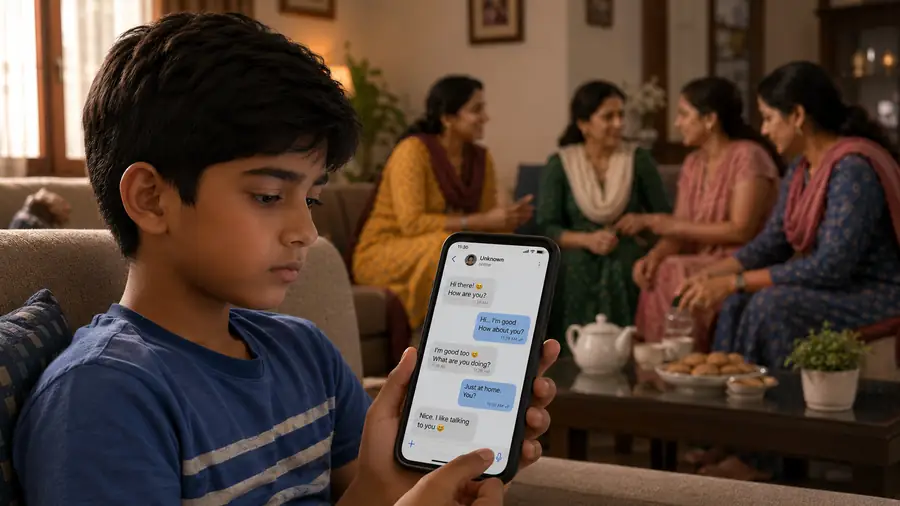
A realistic scene that shows the exact problem parents worry about: children quietly engaging online while adults nearby are unaware.
If your child is on WhatsApp, Instagram, Snapchat or gaming apps, you've probably wondered who they're actually talking to.
Almost every parent has had that quiet worry. And almost none of us were ever shown what to do about it — the settings are buried, the apps keep changing, and the advice online is either scary or written for tech experts.
This guide fixes that. Plain language, exact steps, one calm weekend — and a way to protect your child without turning into the parent who reads every message and pushes them away.
From Instagram to group chats, the guide helps you step in calmly, set the right controls, and explain what matters without making your child feel watched.
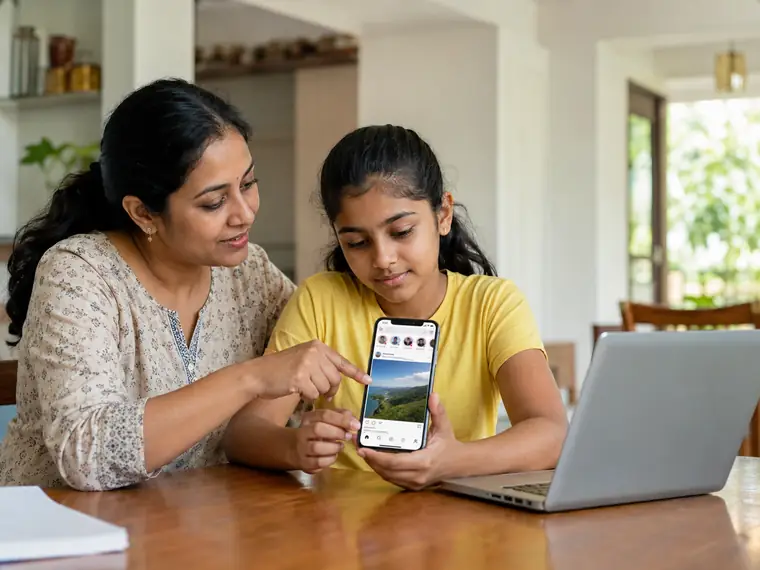
Instead of secret monitoring, sit with your child and set up the important privacy controls in front of them. It creates safety and trust.
The guide shows you what to check inside Instagram, WhatsApp, Snapchat, YouTube, Discord and more — in plain language, step by step.
14 pages. Open it, follow it, done. Work through only the apps your child actually uses.
See exactly where your child stands online right now.
The precise settings for WhatsApp, Instagram, Snapchat, YouTube, Discord & games.
Phone and mobile-network controls that cover apps you haven't thought of.
What online grooming and trouble actually look like — so you spot it early.
The exact words to use, by age — including the one talk that matters most.
A clear India action plan: what to do, in order, and who to call.
A fill-in template you and your child sign together.
A simple habit that keeps everything working — and the conversation open.
Secretly monitoring kids backfires — they hide deeper and stop telling you things. This guide does it the way that actually works.
Cut off who can contact your child in the first place — strangers, group adds, public profiles.
Use the official tools to know who your child connects with — without reading private messages.
Be the first one they come to when something feels wrong. That's the real protection.
Not a generic foreign checklist. Built around the apps Indian children actually use and the helplines that actually respond here.
Perfect for the site because they show the real context: children using social apps, parents supervising openly, and families learning together.
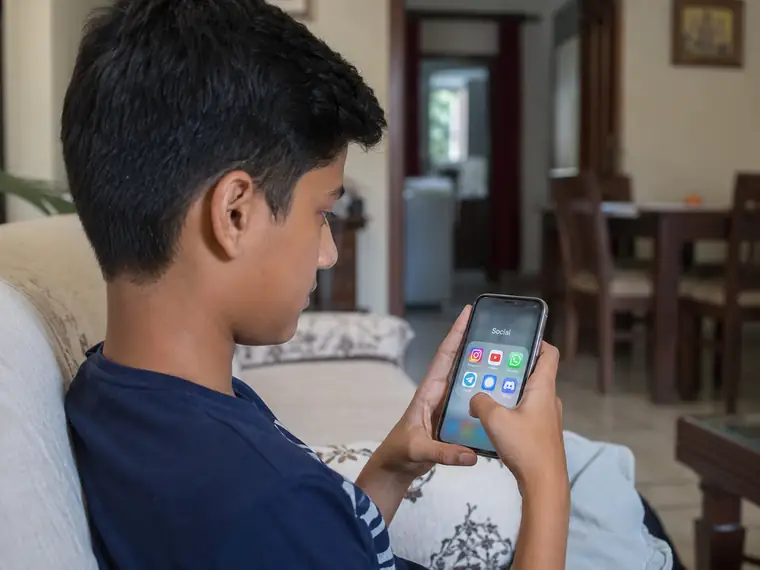

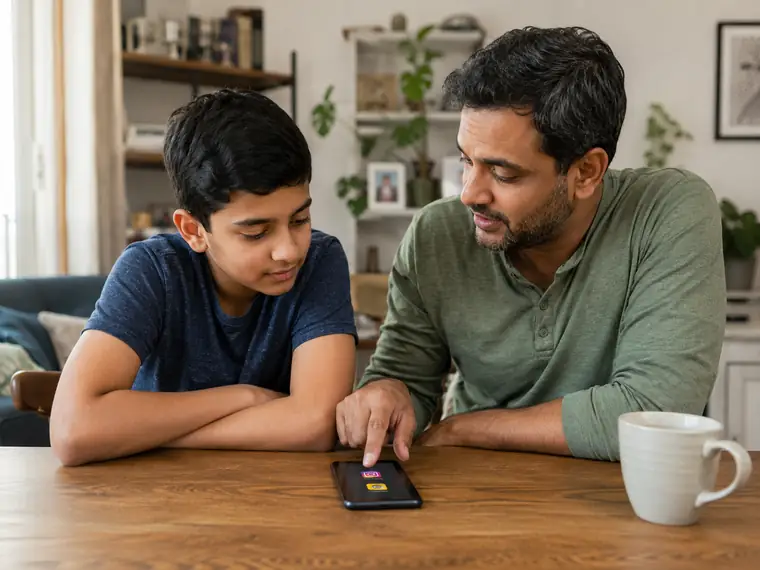
They match the message of the brand: practical online safety, Indian families, familiar devices, and a calm tone. That makes the landing page feel more real, more trustworthy, and more relevant to parents.
Secure payment via UPI, cards & netbanking. Instant access after payment.
The information exists — scattered across dozens of articles, half of them outdated and many written for the US. This pulls the current, India-specific steps into one place, in order, so you can finish in a weekend instead of weeks of searching.
No. Every step is written in plain language with exactly where to tap. If you can use WhatsApp, you can do this.
Yes — and that's intentional. The guide is built around supervision, not secret spying, because the open approach is what actually keeps children safe and keeps them talking to you. There are scripts to make that conversation easy.
This edition reflects the platforms' controls as of early 2026, and the guide tells you exactly where to confirm inside each app. The core approach — shrink the door, see who not what, stay the safe person — doesn't go out of date.
Children roughly 8 to 18, with guidance that adjusts by age band so it fits a 9-year-old and a 16-year-old differently.
You don't need to win every battle over the phone. You need a few good settings, a safety net underneath, and a child who knows they can come to you. Build all three this weekend.
Get the guide — ₹499